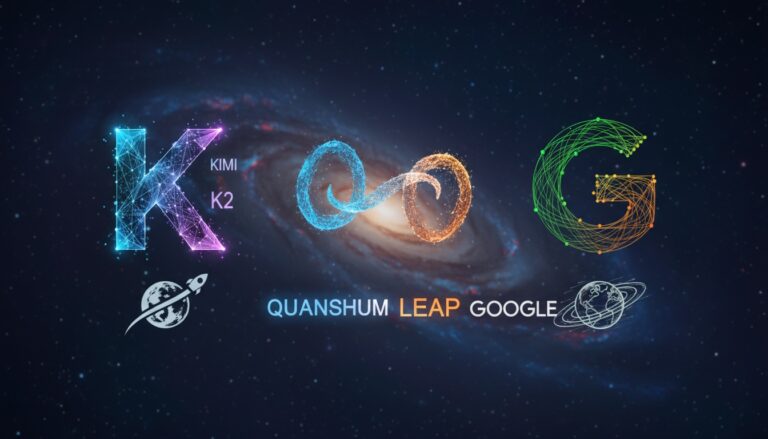
Big changes are happening in the world of AI agents. In 2025, Moonshot AI’s Kimi K2 and Google’s new AI Mode are getting lots of attention. These tools are making computers smarter and more helpful for work, study, and daily life.
People want AI that can do more than just chat. Now, these new models can plan, act, and handle complex tasks on their own. This article looks at why Kimi K2 and Google AI Mode matter right now and what they could mean for the future.
Table of Contents
What Is Kimi K2 by Moonshot AI?
Kimi K2 is a large AI model built by Moonshot AI. It uses a special “Mixture of Experts” system with 1 trillion total parameters and 32 billion active at any time. This design makes it fast and smart, even for tough jobs like coding, data analysis, and research. Kimi K2 can handle long documents or chats up to 128,000 tokens—many times longer than most models today.
There are two main versions: Kimi-K2-Base for researchers and Kimi-K2-Instruct for everyday tasks and conversations. Both are available for free with a simple login on the official platform [source].
Agentic Intelligence: What Makes Kimi K2 Special?
Kimi K2 is not just a chatbot. It can break down a job into smaller steps, plan what to do, use tools like APIs, and finish tasks by itself. For example, Kimi K2 can:
- Write and test code in many programming languages
- Analyze complex data and make reports
- Edit files, run commands on your computer, or search the web
- Work with outside tools to automate long workflows
This means Kimi K2 can help with things like building apps, debugging software, or managing projects, often with little human help [source]. It’s also great for science and math, scoring high on academic tests.
Performance and Technology Behind Kimi K2
Kimi K2 stands out for its mix of size and speed. Thanks to its Mixture of Experts setup, it can answer fast (about 22 tokens per second) and use less memory than many large models. The model uses the MuonClip optimizer for stable training, even at very large scales [source].
Users can access Kimi K2 through Moonshot’s API, or run it on platforms like Hugging Face. The model is open source, so developers can customize it for special needs.
Google AI Mode: A New Kind of Smart Assistant
Google’s AI Mode brings smart help to Android devices and Google’s services. It can summarize emails, plan trips, create reminders, and answer questions using Google’s Gemini model [source]. The AI Mode is built into Google Pixel phones and is coming to more devices soon.
Google’s approach is to make AI feel like a real helper. You can ask for help with photos, documents, or web searches, and the AI understands what you mean. It can connect tasks across apps, such as turning a shopping list into a calendar reminder.
How Do Kimi K2 and Google AI Mode Compare?
| Feature | Kimi K2 | Google AI Mode |
|---|---|---|
| Agentic Actions | Yes, full task planning and tool use | Yes, mainly inside Google apps |
| Open Source | Yes | No |
| Long Context Handling | Up to 128,000 tokens | Unknown, less than Kimi K2 |
| Public Access | Free (login required) | Rolling out on selected devices |
| Best For | Developers, researchers, advanced users | Everyday users, mobile tasks |
Real-World Impact and Adoption
Kimi K2 is already being used by developers to automate code writing and testing. Some companies use it for data analysis and writing reports. Users say it is clear, simple, and reliable.
Google’s AI Mode is reaching millions of phone users. It is making tasks like scheduling, searching, and planning easier. With over 2 billion active Android devices, this could be the largest rollout of agentic AI to date.
Conclusion
AI agents like Kimi K2 and Google AI Mode are changing how we work with computers. They can plan, act, and finish jobs with less human input. Kimi K2 is leading for developers and advanced users, while Google’s AI Mode is bringing smart help to everyone’s phone.
These systems are still getting better. In the next few years, expect AI agents to become even more helpful and common, both at home and at work. The future of smarter AI is here, and it’s just getting started.